
Casino and Resort Facilities Jobs: Las Vegas’s Hidden Trade Career
Behind every casino floor runs a second city tourists never see: plant rooms, chiller yards, electrical vaults, and the crews who keep a building that never closes running like it never opened. Facilities jobs in Las Vegas resorts are the trade career almost nobody advertises — and among technicians in the know, some of the most coveted badges in the valley. Here is the inside view, and the trade-skills ticket that gets you in.
Above: our commercial-side episode — the world this post lives in, at resort scale.
What Facilities Crews Actually Do
A resort engineering department is a trades ecosystem under one roof: HVAC techs nursing chillers and air handlers that condition millions of square feet, electricians maintaining distribution across gaming floors that cannot flicker, controls specialists watching the automation systems that orchestrate it all, plus kitchen refrigeration, pools, and the endless work orders of a small city. The work is preventive as much as reactive — these buildings maintain on schedules, because failure during a fight weekend is not an option anyone discusses casually.
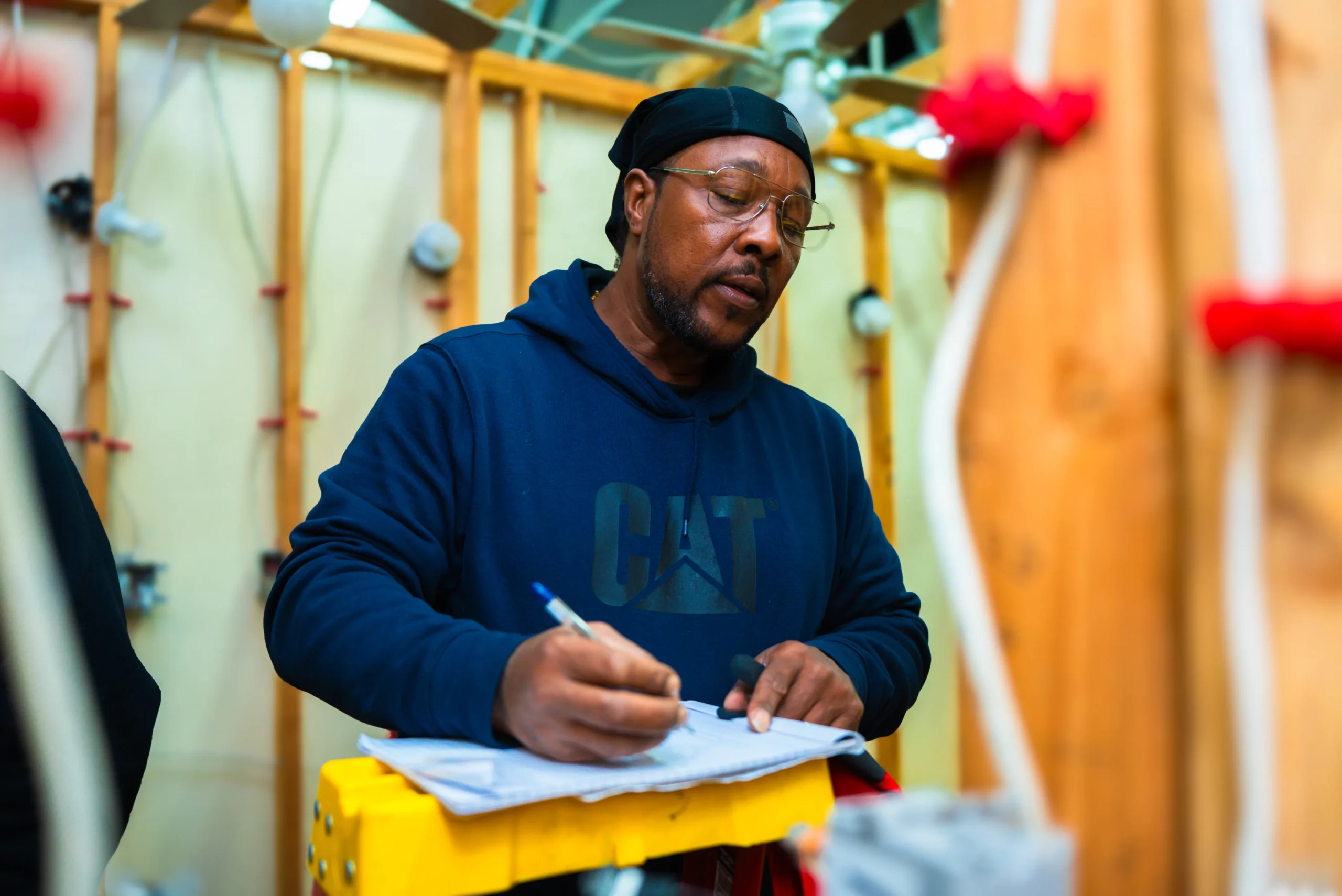
Why Techs Covet These Badges
Compare the facilities life to the service-truck life and the appeal writes itself: climate-controlled plants instead of July rooftops, structured shifts instead of dispatch roulette, union representation and benefits at many properties, and career floors under a single employer with real ladders — lead, supervisor, chief engineer. The trade-off is pace: facilities work runs steadier and less entrepreneurial than service, which suits some temperaments perfectly and bores others. Our residential vs. commercial guide maps the temperament question; facilities sit at its calmest, most structured pole.
The Hiring Reality: Trades Skills Are the Ticket
Resort engineering departments hire trained hands: HVAC fundamentals with EPA 608, electrical competence, and the reliability signals every employer in this blog keeps naming. Entry roles — utility porter, apprentice engineer, maintenance tech — feed the ladder, and properties routinely grow their chiefs from within. Veterans do notably well here (structure, procedures, badges — the fit is obvious), as do career changers whose customer-service years read as guest-relations fluency on a property where every hallway interaction is brand.
The Stability Argument, Quantified by 24/7
Here is the economic bedrock: a resort cannot close for repairs, cannot offshore its chiller plant, and cannot let software replace the person who physically resets what the dashboard flags (the automation moat, resort edition). That translates into demand that survives recessions better than most Las Vegas employment — buildings need engineers in bad quarters too — and into the shortage dynamics our trades-gap analysis documents, concentrated in a sector that keeps building new square footage.
Getting From Here to a Property Badge
The path runs exactly as our graduates have walked it: 12 weeks of HVAC or electrical fundamentals, certifications in hand, then either direct entry into a property’s engineering department or a service-side year first (many chiefs recommend it — field diagnostics sharpen faster on a truck) before badging in. Our placement team knows which properties are hiring and what their postings actually filter for — ask on your tour.
A Shift in the Second City, Sketched
Picture a swing shift at a mid-Strip property: rounds through the central plant logging chiller numbers, a work order for a banquet room running warm before a convention dinner, a walk-in cooler on the buffet line demanding attention, and a curtain-wall lighting circuit flagged by the automation system — all before the midnight handoff briefing. No rooftops, no dispatch roulette, no invoicing; just a building the size of a neighborhood, kept alive by rotation and checklist. Techs who love rhythm over adrenaline hear that sketch and know immediately: this is their lane.
The Convention-Economy Bonus
One more demand layer outsiders miss: Las Vegas is not just casinos but one of the world’s convention capitals, and every convention center, arena, and stadium runs its own engineering department on the same trades skills. Add the hospital systems, the airport, and the school district’s facilities crews, and “facilities jobs Las Vegas” describes an employment universe far wider than the Strip — every one of its doors opened by the same 12-week fundamentals.
Ask These Three Questions at a Property Interview
When the facilities interview arrives, sort great departments from merely large ones with three questions: How does the department fund continuing education — controls certifications, code updates, chiller school? What is the realistic path from this role to lead or supervisor, and who last walked it? And how do engineering and operations communicate during a crisis event? The answers reveal whether the property grows its people or merely staffs its plant — and interviewers respect candidates who ask like future chiefs.
Frequently Asked Questions
What are facilities jobs at Las Vegas casinos?
Building engineering roles keeping resorts running 24/7: HVAC technicians on chillers and air handlers, electricians on distribution, controls specialists on automation, plus refrigeration, pools, and preventive maintenance across millions of square feet.
How do I get a facilities job at a resort?
Trade training plus certifications is the standard ticket — HVAC fundamentals with EPA 608 or electrical competence — entering as maintenance tech or apprentice engineer and climbing an internal ladder many properties prefer to promote through.
Do casino facilities jobs pay well?
They compete with the trades\u2019 strong medians and add structure: steady shifts, benefits, and union representation at many properties, with supervisor and chief engineer rungs above. The premium is stability as much as rate.
Is facilities work better than HVAC service work?
Different temperaments: facilities offers climate-controlled structure and one employer\u2019s ladder; service offers variety, hustle economics, and entrepreneurial ceilings. Many techs sample service first, then badge into a property — both start from the same training.
The Second City Is Hiring
Next time you walk a casino floor, remember the building behind it — and that trained hands run it. Tour our campus, tell us the facilities path interests you, and start the twelve weeks that put a property badge within reach. Training the second city’s workforce since 1994.
